
In wildlife photography, it is easy to think that good places are defined by the number of animals present. More animals should mean more opportunities — and better photographs.
In practice, it rarely works that way.
Some places with plenty of wildlife remain surprisingly difficult to photograph well, while others continue to produce strong images of familiar subjects, year after year. The difference lies less in what appears, and more in how the place allows you to work.
A place that gives you time
Places that work well for wildlife photography tend to feel calm, even when animals are present.
There is space to watch what is happening without reacting immediately. You can follow movement across the frame, notice how light changes, and wait for a situation to settle before deciding whether to photograph it.
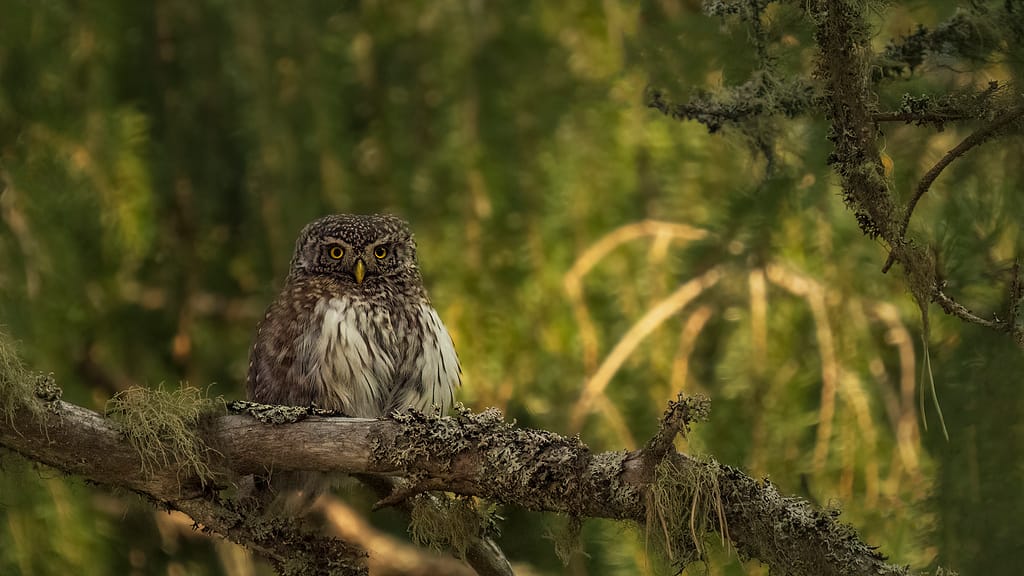
In these places, you are not forced into constant reaction. You have time to consider where the animal is in relation to its surroundings, and where it is likely to move next. The environment supports observation rather than urgency.
This does not make photographing easier. It makes it more deliberate.
When abundance becomes visual noise
Interestingly, places with a lot of animals can be among the hardest to photograph cleanly.
When activity is constant, compositions often become crowded. One animal steps in front of another. A wing crosses the frame. A second subject appears half-hidden behind the one you were following. Even with good light, images quickly become restless.
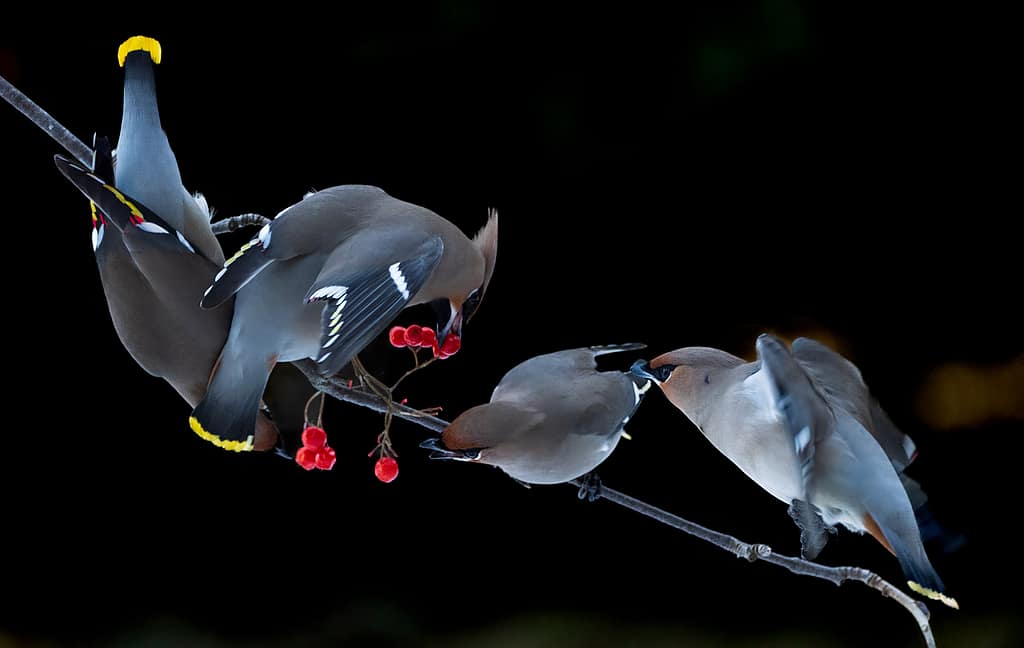
The same applies to the environment itself. In heavily used locations, the ground and vegetation often show signs of wear. Trampled surfaces, uneven textures, and muddy patches draw attention away from the subject and into the background, whether you intend it or not.
In such places, the challenge is not finding animals. It is finding space.
The importance of distance and background
Backgrounds play a quiet but decisive role in whether a place works.
When the background is close, images easily become busy. Branches, grasses, and uneven shapes compete with the subject, making it harder to separate the animal in a calm, natural way. Even experienced photographers can find themselves fighting the environment rather than working with it.
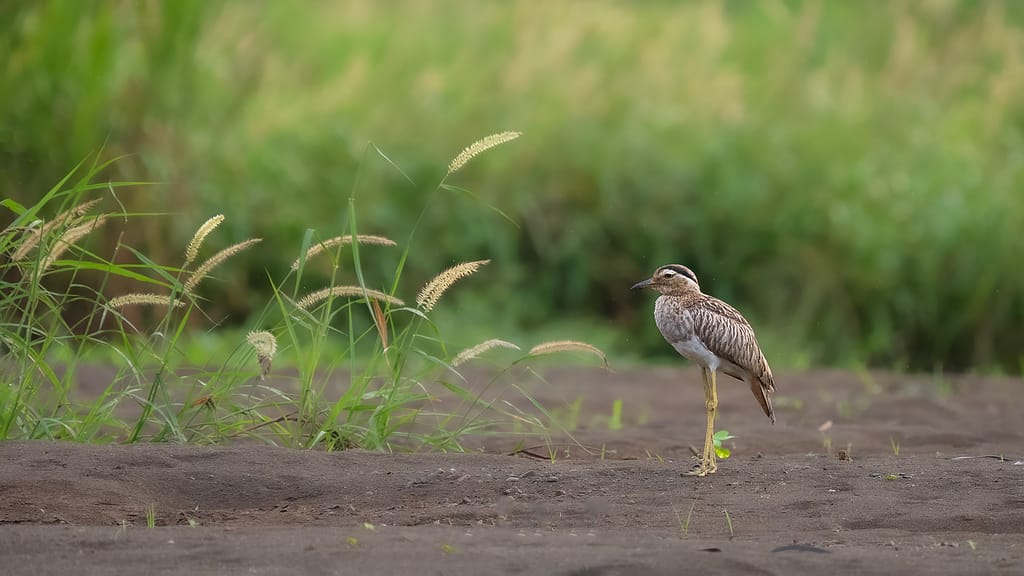
Places that work tend to offer distance. Distance between the subject and the background. Distance that allows light to soften textures and simplify shapes. Distance that gives the image room to breathe.
This kind of space is not dramatic. It is subtle, and it often goes unnoticed until it is missing.
Familiar places, better decisions
Returning to the same places over time changes how you see them.
You begin to recognise when conditions are improving and when they are not. You learn which directions tend to produce cleaner backgrounds, and which movements usually lead to clutter. Familiarity removes the pressure to photograph everything.
It allows you to wait for moments where subject, light, and surroundings briefly align — and to let other moments pass without regret.
This is why experienced photographers often return to the same locations repeatedly. Not because they lack curiosity, but because these places allow thoughtful decisions instead of constant reaction.
What makes a place work
Animals matter, of course. But they are only one part of the equation.
Places that work for wildlife photography offer time, space, and visual clarity. They allow you to observe before acting, to choose backgrounds rather than accept them, and to photograph with intention rather than urgency.
Once you begin to recognise these qualities, your focus shifts. You stop asking where the animals are, and start asking where photography is possible.
And that is often what makes the difference.




Leave a Reply