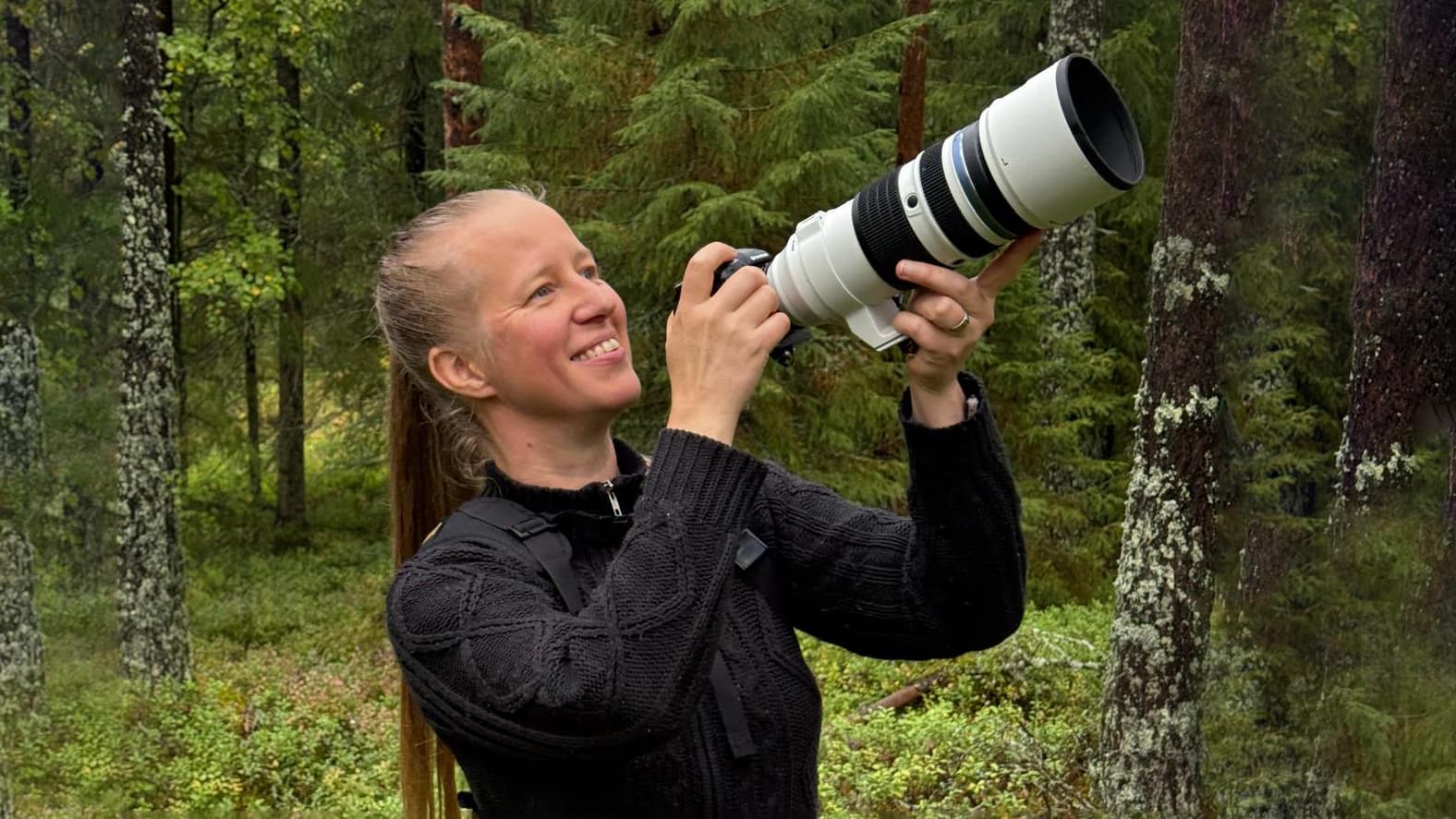
When the OM System 50–200mm f/2.8 IS PRO was announced, I was not immediately sold.
At first glance, it felt like a lens I didn’t really need. The new white lens is noticeably heavier than the OM System 40–150mm f/2.8 PRO — roughly 300 grams more — and I struggled to justify why the focal length was extended to 200mm when my OM System 150–400mm f/4.5 IS PRO already covered that range comfortably. On paper, it all seemed redundant.
Personally, I would have preferred to see the reach extended at the wide end instead, allowing two lenses to cover a broader overall range. So I approached the new lens with some scepticism.
A Shift That Happened in the Field
That scepticism slowly faded during last autumn’s travels.
Until then, my setup had been consistent. I travelled with the 40–150mm f/2.8 PRO and the 150–400mm f/4.5 IS PRO, with the long white lens becoming my primary working tool. In many situations, it was simply easier to rely on the reach and flexibility of the longer lens, even when the shorter zoom was available.
The 50–200mm f/2.8 IS PRO began to change that balance.
India: When the Long Lens Is Too Long

The first real test came during safaris in India. With mammals, the 150–400mm can sometimes feel almost too long — especially when animals approach closer than expected. In those moments, framing becomes restrictive, and composition suffers.
The 50–200mm handled those situations beautifully. It allowed animals to fit naturally into the frame while still leaving space to include elements of the surrounding environment. In safari vehicles, the smaller white lens was also noticeably easier to handle, quicker to reposition, and less physically demanding.
Costa Rica: An Unexpected Favourite
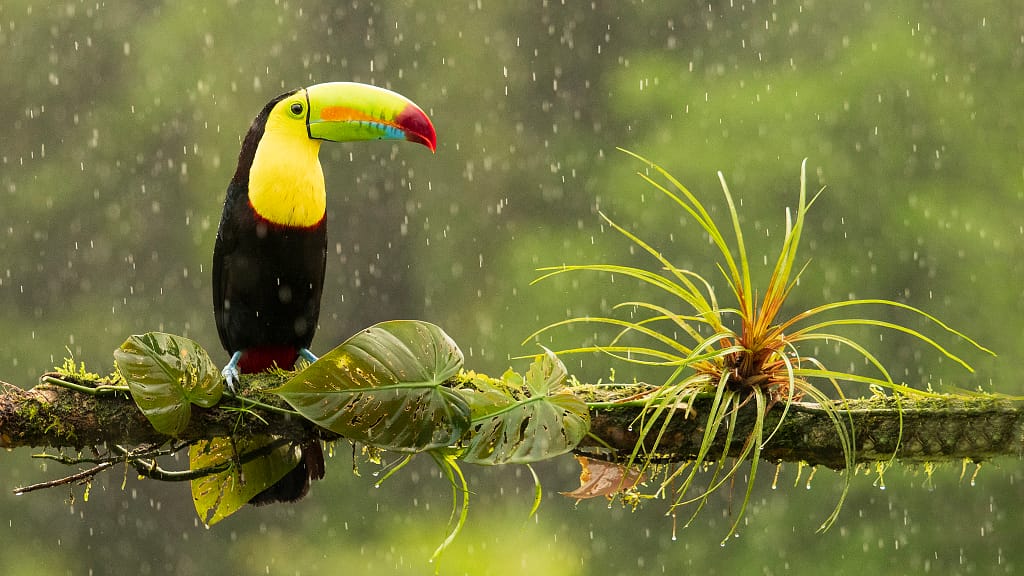
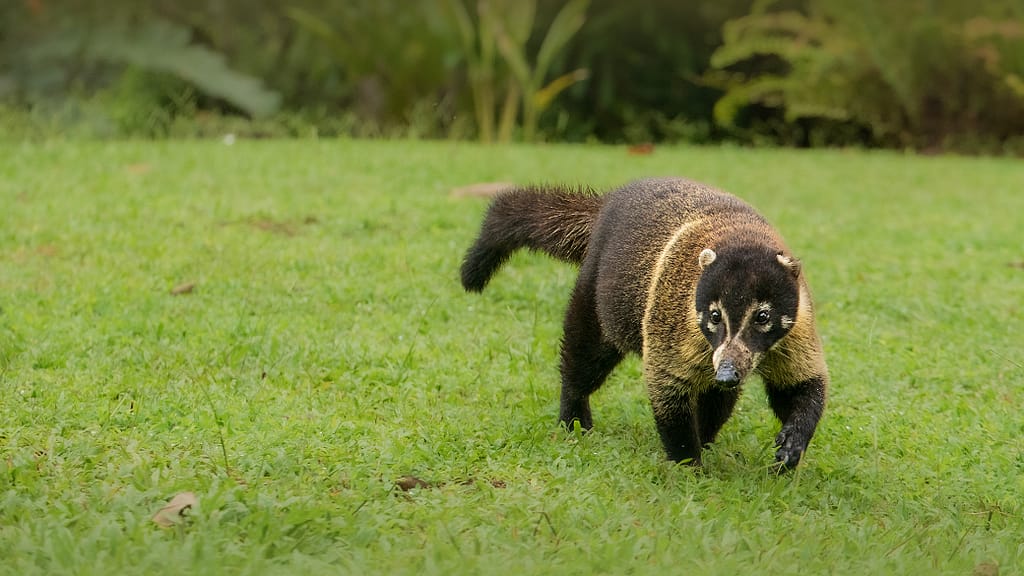
I took both white lenses with me to Costa Rica, fully expecting the 150–400mm f/4.5 to remain my primary choice. On my previous trip, that had clearly been the case, even though the 40–150mm f/2.8 was also in my bag.
This time, something different happened.
I found myself reaching for the 50–200mm more often than not. The additional reach from 150mm to 200mm — the very thing I had questioned — turned out to be extremely practical. In many locations, that extra 50mm (100mm in full frame world) provided just enough reach to stay with the smaller lens rather than switching to the heavier one.
The weight difference between the two white lenses is significant (over 800g), especially on longer days. When you carry the camera for hours at a time, day after day, that difference becomes impossible to ignore — at least for my muscles.
The stabilisation of the 50–200mm also came as a very positive surprise. Handheld slow-motion videos look remarkably good, which has made filming feel easy and enjoyable. As someone who admits to being a bit lazy with video editing, this has actually inspired me to shoot far more video than ever before.
Why Weight Matters More Than I’d Like
For me, weight is not a minor consideration. I have congenital back issues, and the load I carry has a direct impact on how I feel, particularly on long trips where recovery and body maintenance are limited.
I also prefer working without a tripod whenever possible. The lighter the setup, the longer I can stay responsive, mobile, and comfortable in the field.
In that context, the 50–200mm makes a lot of sense. Its good light-gathering ability also leaves room to use a teleconverter when needed, adding flexibility without immediately jumping to the largest lens.
A Lens I Underestimated
Looking back, I was wrong to be sceptical.
While I initially questioned the necessity of the OM System 50–200mm f/2.8 IS PRO in my kit, last autumn’s travels made its value clear. It has earned its place not as a replacement for the 150–400mm, but as a lens that often allows me to leave the heaviest option behind — without feeling limited.
And sometimes, that difference is what makes it possible to keep photographing at all.
If you’re interested in reading more about my Costa Rica tour, you can find the blog post on Finnature’s website.




Leave a Reply