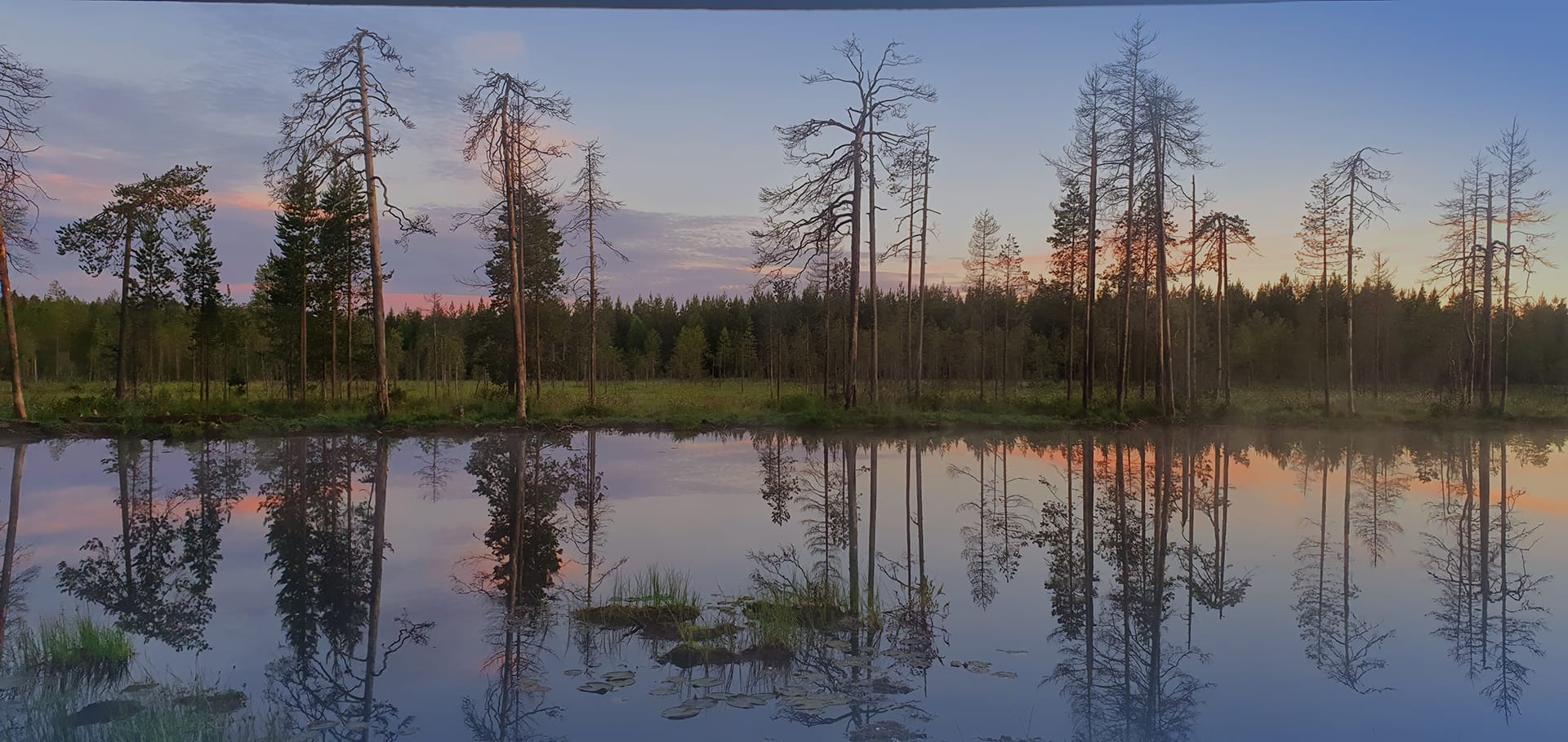
Being ready in wildlife photography is often misunderstood as constant action. As if readiness meant reacting immediately, taking frames whenever something moves, and trusting that one of them will work.
For me, readiness is much quieter than that.
The camera is prepared, yes. But more importantly, time is available. Time to watch not only the animal, but everything around it.
What waiting actually gives you
When you slow down and allow yourself to observe, something changes. You stop focusing only on behaviour and start noticing light, direction, and backgrounds.
Much of this comes back to the kind of waiting I described in my previous post.
You see where the animal is likely to move next.
You notice which angles will separate the subject from the background — and which will not. You begin to understand when the scene is improving, and when it is quietly falling apart.
This is often where the difference between an experienced photographer and a less experienced one becomes visible.
The role of backgrounds
In wildlife photography, subjects are rarely the problem.
Backgrounds are.
An inexperienced photographer often reacts quickly and photographs everything — every movement, every position, every angle. The result is a large number of images, many of them sharp, but few of them strong.
An experienced photographer does something else.
They wait. They watch how the background changes as the animal moves. They recognise when a clean background is about to appear — and when it is worth holding back for a few seconds longer.
Sometimes the best background is not there yet.
Sometimes it never comes. And sometimes it appears only once.
Choosing the moment, not collecting frames
Taking time to observe allows you to choose where in the sequence you want the photograph to exist.
Not the first possible frame. Not the safest option.
But the moment where subject, background, and light briefly align.
This does not require faster reactions. It requires patience.
Photographing everything can feel productive, but it often leads to missed opportunities. The strongest image may be the one taken later — or not taken at all.
Readiness Means Knowing When Not to Photograph
Being ready does not mean always photographing.
It means being aware enough to recognise when the image you want is about to happen — and when it is better to wait.
This kind of readiness comes from experience. From allowing situations to develop. From understanding that wildlife photography is not only about what the animal is doing, but about everything that surrounds it.
And often, that understanding comes only if you give yourself time to look.
Leave a Reply