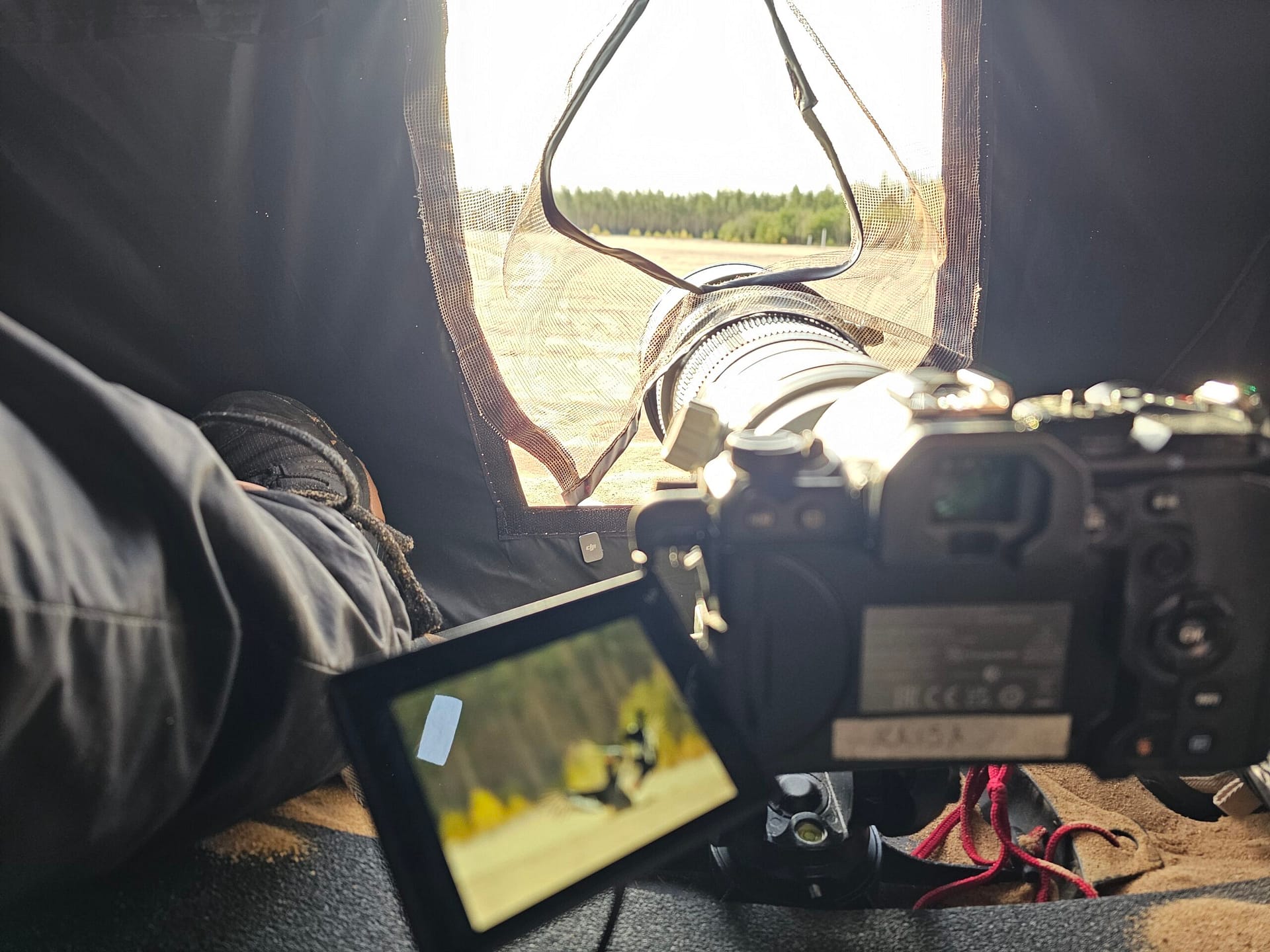
If you are planning a wildlife photography trip, it is easy to assume that most hides offer a similar experience.
In reality, the differences can be surprisingly large. Some hides are designed primarily for wildlife watching, while others are built with photographers in mind.
Wildlife photography hides can differ enormously in photographic quality, comfort, pricing and practical arrangements. A hide that produces excellent wildlife sightings does not automatically produce excellent photographs, and the most expensive option is not always the best one for your needs.
Before making a booking, it is worth taking a closer look at what a hide actually offers — and whether it matches your own priorities as a photographer.
Seeing Animals and Photographing Animals Are Different Things
Many people assume that if wildlife can be seen reliably, good photographs will naturally follow.
In practice, these are often two very different things.
A wildlife watcher may be delighted simply to see a species at close range. For a photographer, the surroundings matter just as much as the animal itself.
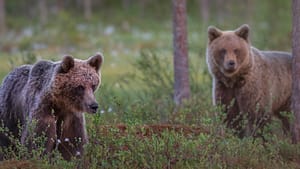
A bear photographed from a high angle at a muddy feeding site, with old bones or fish remains visible around it, creates a very different image from a bear photographed at eye level against a clean forest background. Both photographs may show exactly the same species, but the photographic experience and the final result can be quite different.
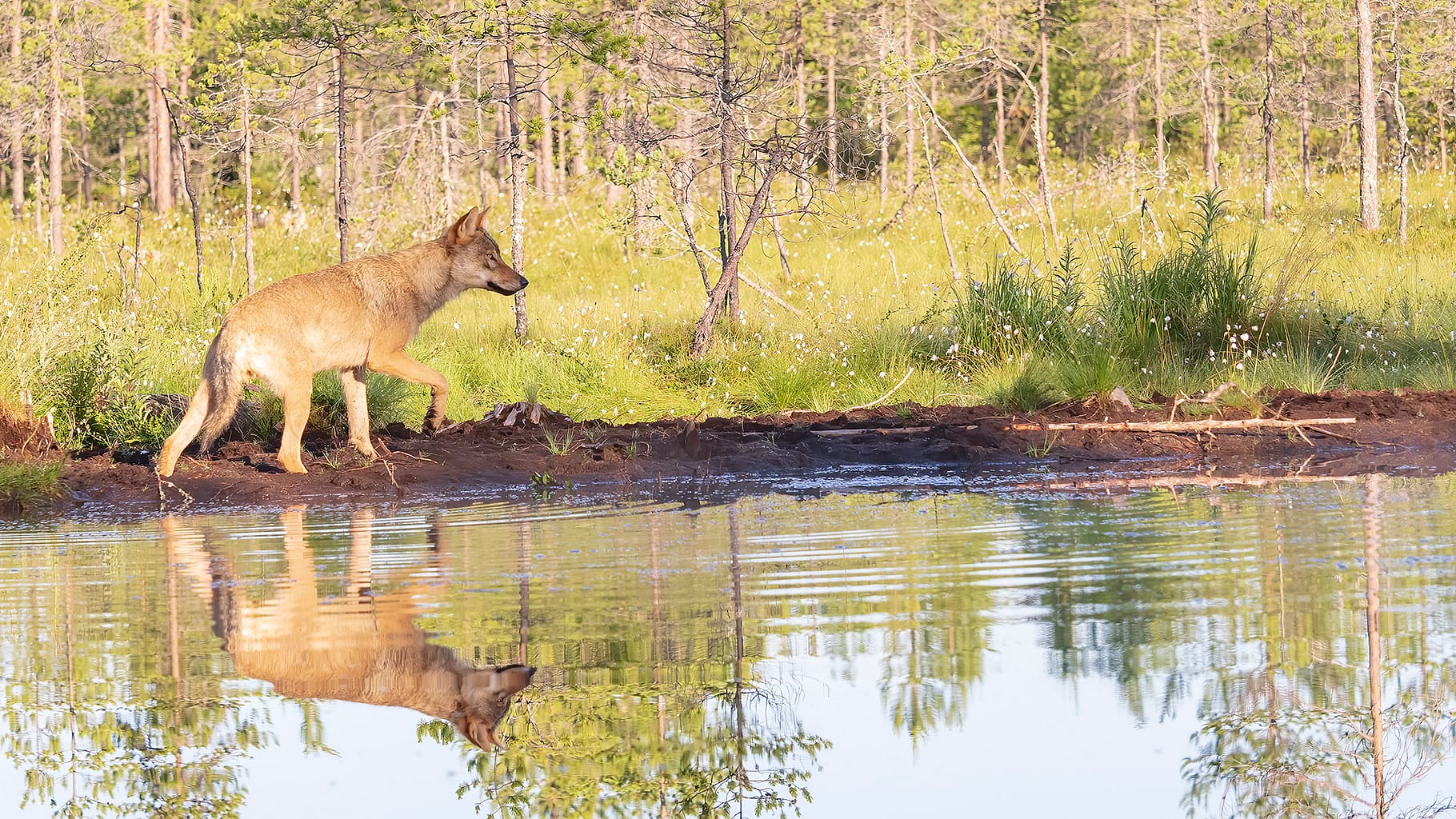
The challenge is that photographic quality is highly subjective. There is no universal definition of a good wildlife photograph, especially when people photograph primarily for their own enjoyment rather than for competitions, publications or clients.
What feels like an excellent image to one photographer may hold little interest for another. As a result, two photographers may evaluate exactly the same hide very differently based on backgrounds, shooting angles, light and overall photographic potential.
It is also worth remembering that not all hide operators are photographers themselves. Many have extensive knowledge of wildlife behaviour and local conditions, but they may not evaluate a location using the same criteria as a dedicated wildlife photographer. A site that offers reliable wildlife encounters may genuinely be considered excellent from their perspective, even if photographers have concerns about backgrounds, shooting angles or image quality.
The most useful question is often not whether a hide is good or bad, but whether it suits the kind of photographs you hope to create.
Don’t Trust Marketing Alone
This is where things can become surprisingly difficult.
Almost every operator markets their hides as photography hides. Websites are often filled with impressive photographs and promises of excellent opportunities. Unfortunately, those images do not always tell the full story.
The best marketing photographs often represent exceptional conditions rather than typical ones. In some cases, they may have been taken during an unusually successful season. In others, they may show results that were achieved many years ago and have proven difficult to repeat. Occasionally, the images may not even have been taken from the hide (nor in the country!) being marketed.

Species lists can be similarly misleading. Species lists often include every species ever recorded at a location, including animals that may only appear once a year or even less frequently. Seeing a species on a list does not necessarily mean that photographers have a realistic chance of photographing it during a typical visit.
It is also worth paying attention to when different species are usually seen. Some species may be photographed regularly, but only during a relatively short part of the season. A hide’s main target species may provide good opportunities throughout the season, while other species are realistically photographable only for a few weeks each year.

Look for Consistency, Not Exceptions
A single exceptional photograph tells you very little. A larger collection of images from different photographers often reveals much more about the opportunities a location provides on a regular basis.
It is also worth looking beyond a company’s curated image archive. Recent guest photographs, trip reports and images shared on social media often provide a more realistic picture of what photographers are currently experiencing. If a hide operator regularly shares trip reports, recent photographs from guests or ongoing trips, that can tell you far more about current conditions than a small selection of exceptional images taken many years ago.
At the same time, no collection of photographs can guarantee what you will experience yourself. Conditions vary between seasons and individual days, and good wildlife photographs often require both patience and a degree of luck. In many cases, the strongest images are the result of several days spent in the same hide rather than a single visit.
Wildlife photography always involves uncertainty. Animals are wild, conditions change and no location can guarantee success every time. However, the best photography hides tend to produce good opportunities with reasonable consistency rather than relying on a single exceptional season or a handful of standout images collected over many years.
Comfort Is Part of the Experience
The hides themselves vary enormously.
One of the biggest differences often is whether a hide has been designed primarily for wildlife watching or for photography.
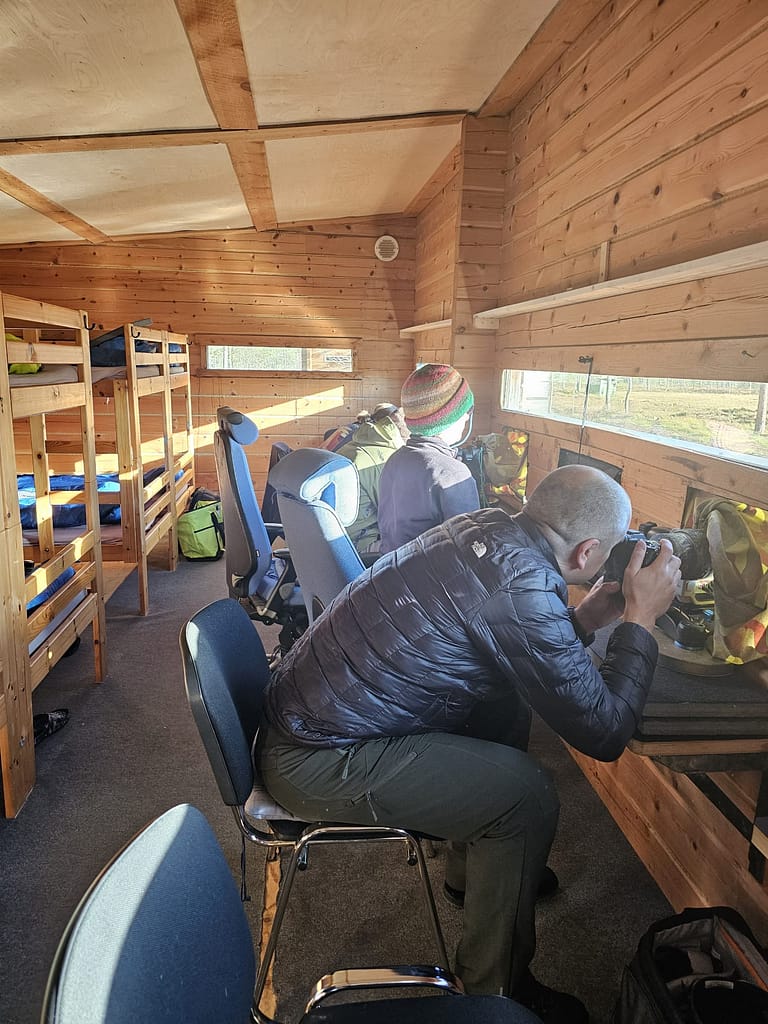
Wildlife watching hides are normally larger and more comfortable. They may offer standing height, more room to move around, proper seating and a separate toilet area. Because they typically accommodate several visitors, they can also be relatively affordable.
Photography hides are often built around photographic opportunities rather than comfort. They are small and can be moved when needed, for example if the surrounding area shows signs of excessive wear.
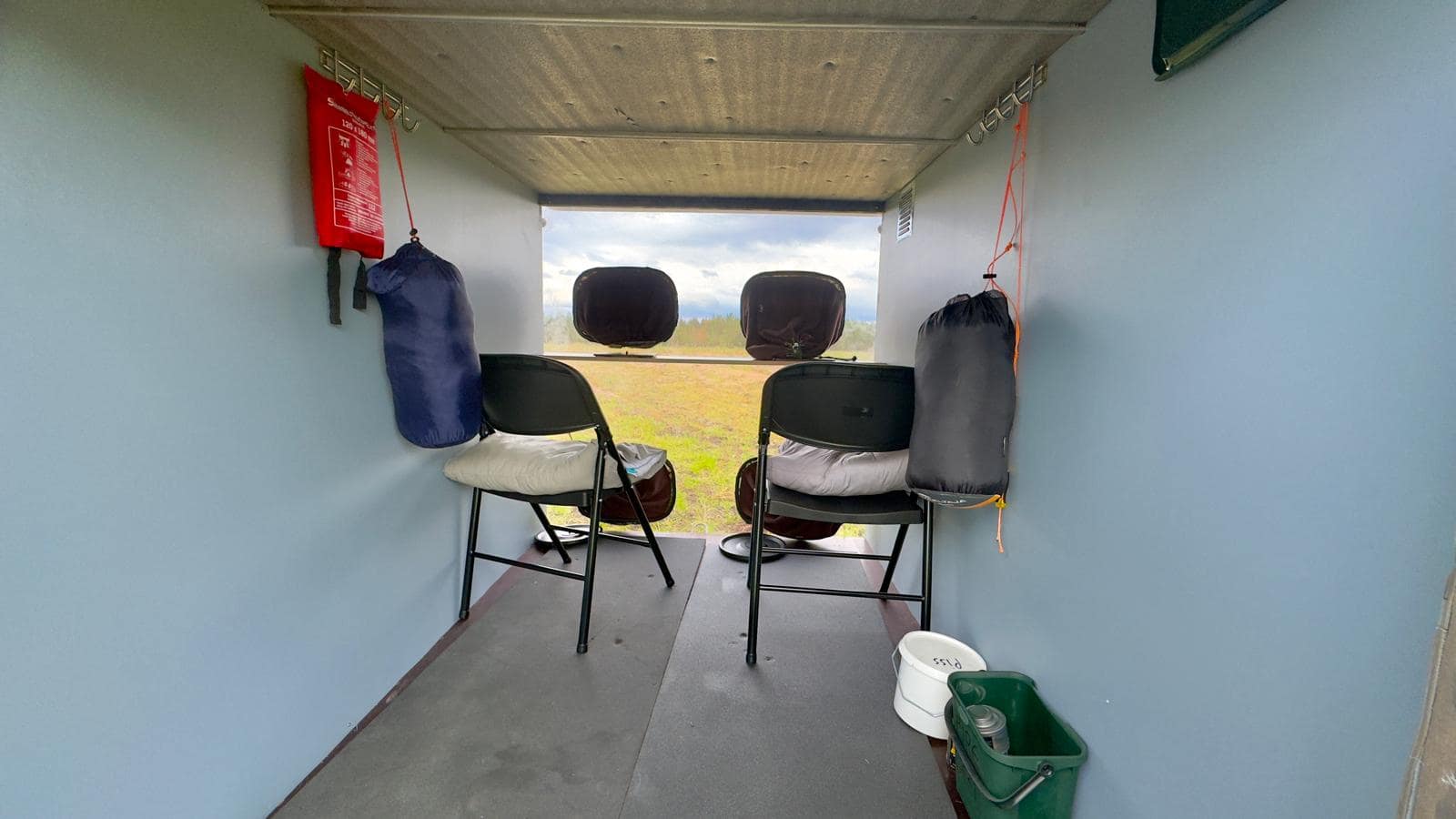
Close shooting distances, low camera angles and carefully positioned openings may take priority over convenience. As a result, some photography hides can feel surprisingly basic. Standing upright may not be possible, photographers may sleep on the floor, and toilet facilities can be extremely simple.
There can also be significant differences between photography hides themselves. Some have small viewing openings that make it difficult to see what is happening outside, while others are designed with much larger windows that provide a broader view of the surroundings. This can be particularly important in bird photography, where being able to follow movement and predict where a bird may land often makes photographing much easier.
Seating arrangements vary as well. Some hides provide comfortable office-style chairs, while others offer little more than a simple bench attached to the wall. Over the course of a long session, these differences can have a considerable impact on comfort and shooting ergonomics. Some photography hides even allow photographers to stand upright, which can make a significant difference during long stays in the hide.
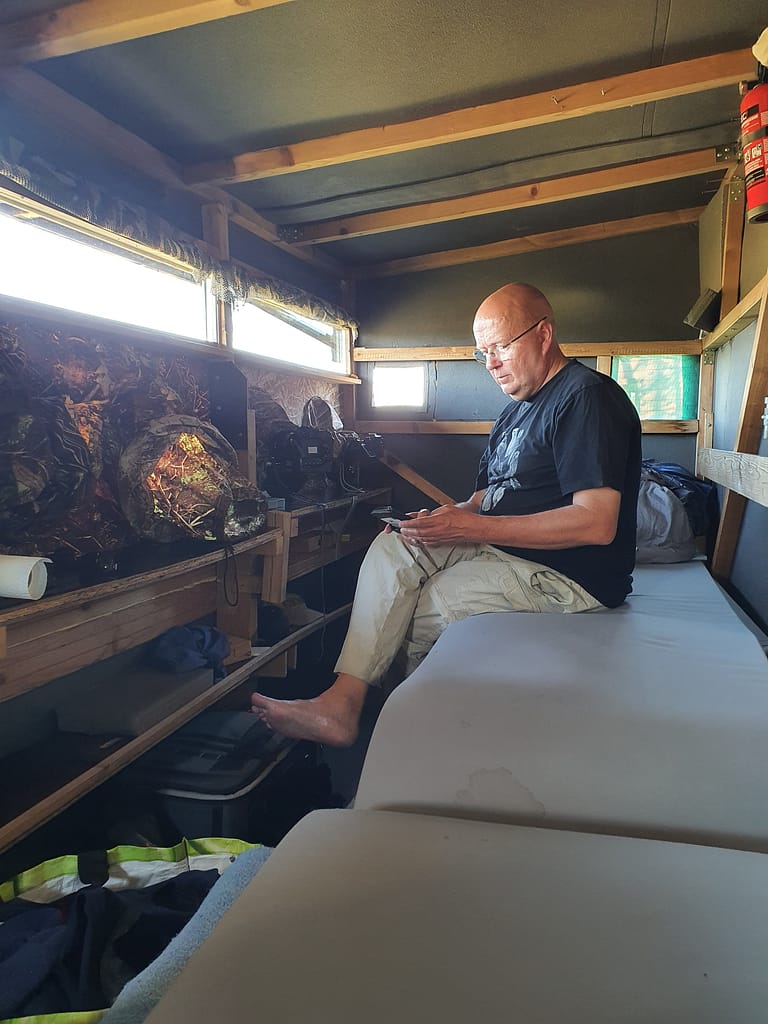
For this reason, it is worth looking carefully at photographs of the hides themselves rather than focusing only on the images taken from them. If you have back problems, limited mobility or other physical limitations, details such as seating, available space and the ability to stand upright can make a significant difference to your experience.
Photography ergonomics matter more than many people realise. Spending hours in an uncomfortable position can quickly become tiring, and if you are unable to remain comfortable, it may become harder to stay focused and react when photographic opportunities appear.
Why Heating Matters More Than Many Visitors Expect
For photographers travelling to Finland, heating is often underestimated.
Many visitors assume that summer temperatures make heating unnecessary. Sometimes they do. Sometimes they do not.
One of the coldest nights I have spent in a hide was actually in July while guiding a private photography trip. After a warm (+25c) day the forecast suggested a reasonably mild night, with temperatures around 10°C. Instead, the temperature dropped to around 4°C. The hide had no heating and no sleeping bags.
We photographed a beautiful misty pond and came away with some excellent images. The photography was rewarding, but the night itself was cold enough that sleep was almost impossible.
Since then, I have always carried hand warmers in my camera bag, even during summer.
Experiences like this are a good reminder that practical details matter. A hide that looks perfect in photographs can feel very different after ten or twelve hours if temperatures are lower than expected.
Looking Beyond the Hide Price
These differences also help explain why prices can vary so much.
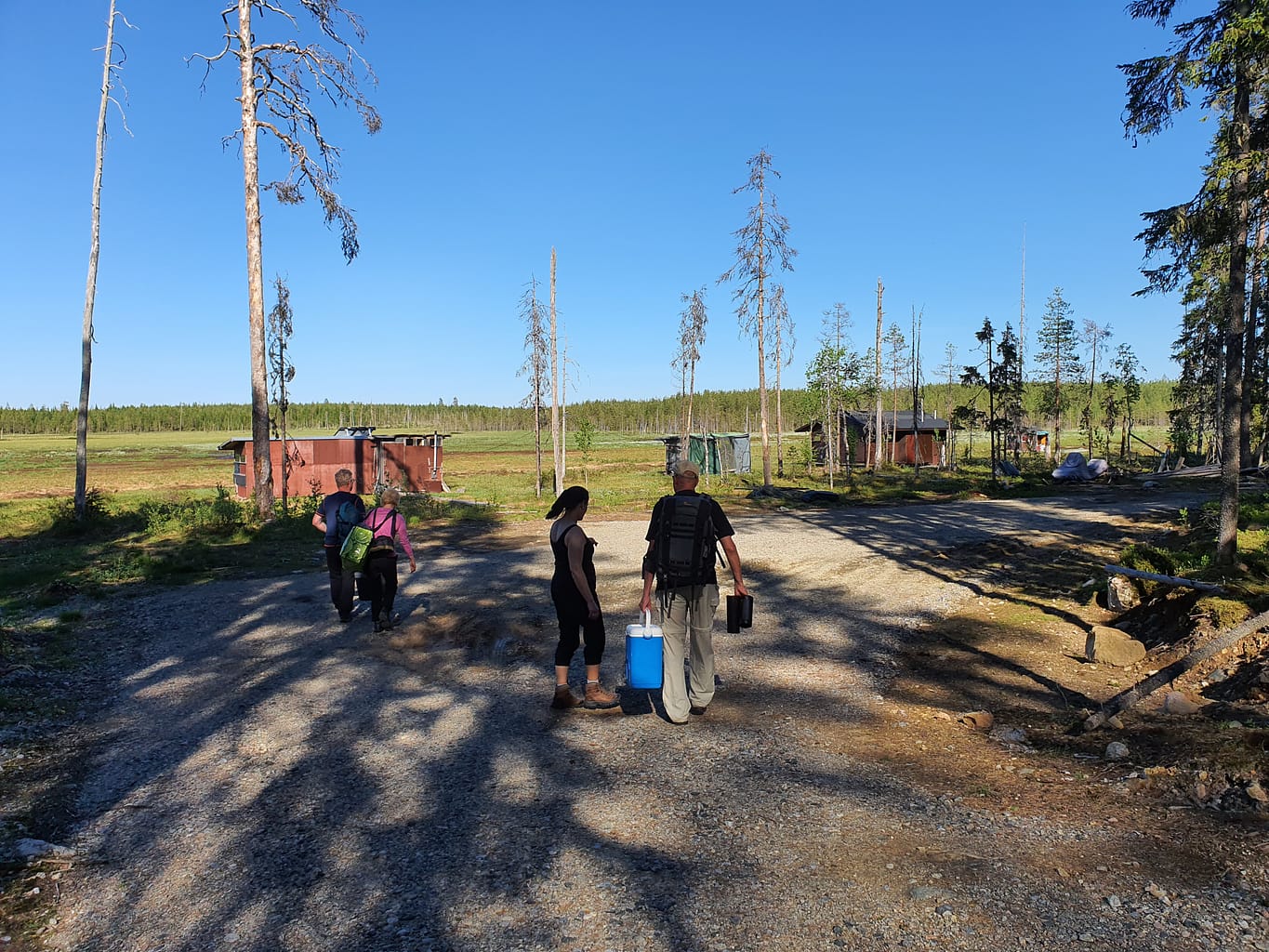
However, comparing prices is not always straightforward. A hide that initially appears expensive may include transportation, meals, heating, sleeping bags and other practical arrangements. Another may advertise a lower price but charge separately for many of the same services.
For this reason, it is often more useful to look at the total cost of the experience rather than the hide fee alone.
At some locations, everything is included in the price. At others, the hide fee covers only the hide itself. Transport may be a mandatory extra charge. Heating may cost extra. Sleeping bags may not be included. Meals may not be available at all.
Individually, these costs may seem small, but over several days they can add significantly to the overall budget. In Finland, these additional expenses can easily add €50–100 per person per day.
There Is No Perfect Hide
Over the years, I have learned that every hide involves compromises.
One location may offer exceptional photographic opportunities but very basic facilities.
Another may provide excellent comfort but less attractive backgrounds and shooting angles.
Neither option is automatically better.
While untouched vegetation may look attractive in photographs, it often reflects something photographers would rather avoid: low levels of wildlife activity. Areas visited regularly by animals tend to show signs of wear over time. Completely pristine surroundings may sometimes indicate that relatively few animals are passing through the area.
The real question is how much you are willing to invest in your photographs, both financially and in terms of comfort.
For some photographers, the best images are worth a cold night, a basic hide and a few inconveniences.
Others prefer a more comfortable experience, even if it means accepting some photographic compromises.
There is no right answer.
Only the answer that fits your own priorities.
Ask Practical Questions Before You Book
If you are unsure about any aspect of a hide, it is always worth asking before making a reservation.
Simple practical questions can prevent disappointment later. Will you be in the hide for a few hours, from afternoon until evening, or for the entire night? What is included in the price? Is transportation provided? Is heating available? What camera equipment is typically recommended for the location? And yes, it is perfectly reasonable to ask about toilet facilities as well.
Most hide operators are happy to answer these questions, and the answers often reveal much more about the experience than a species list or a gallery of photographs.
If you are planning a wildlife photography trip to Finland and would like independent advice, we are happy to help. Over the years, we have visited and tested most of Finland’s major wildlife photography hides and know their strengths, limitations and practical differences.
Rather than recommending the same location to everyone, we try to help photographers find the hide that best matches their interests, expectations and photographic goals. We have chosen to work with partners that we trust and would use ourselves.
The price of a hide booked through Finnature is the same as booking directly with the operator. The difference is that you also gain access to our experience and advice when planning your trip. In addition to our own bird photography hides, we work with trusted mammal hide operators, allowing us to recommend the most suitable combination of locations based on your interests and schedule.
More information about the hides can be found at Finnature‘s website.

Leave a Reply