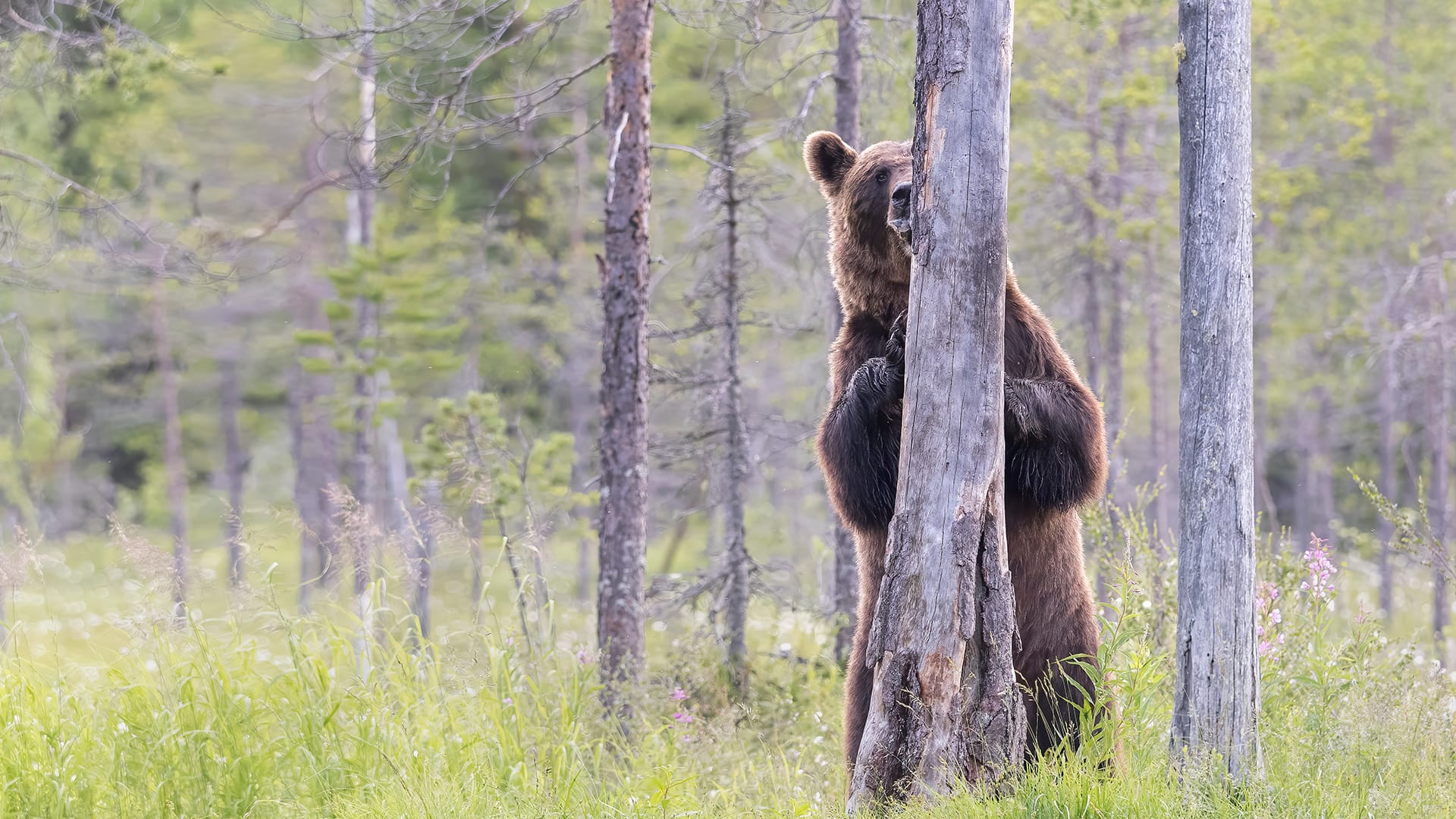
For wildlife photographers, summer is one of the most interesting seasons in Finland. The long days and bright nights create excellent conditions for photographing some of Europe’s most sought-after species, including Wolverines, Brown Bears and Wolves.
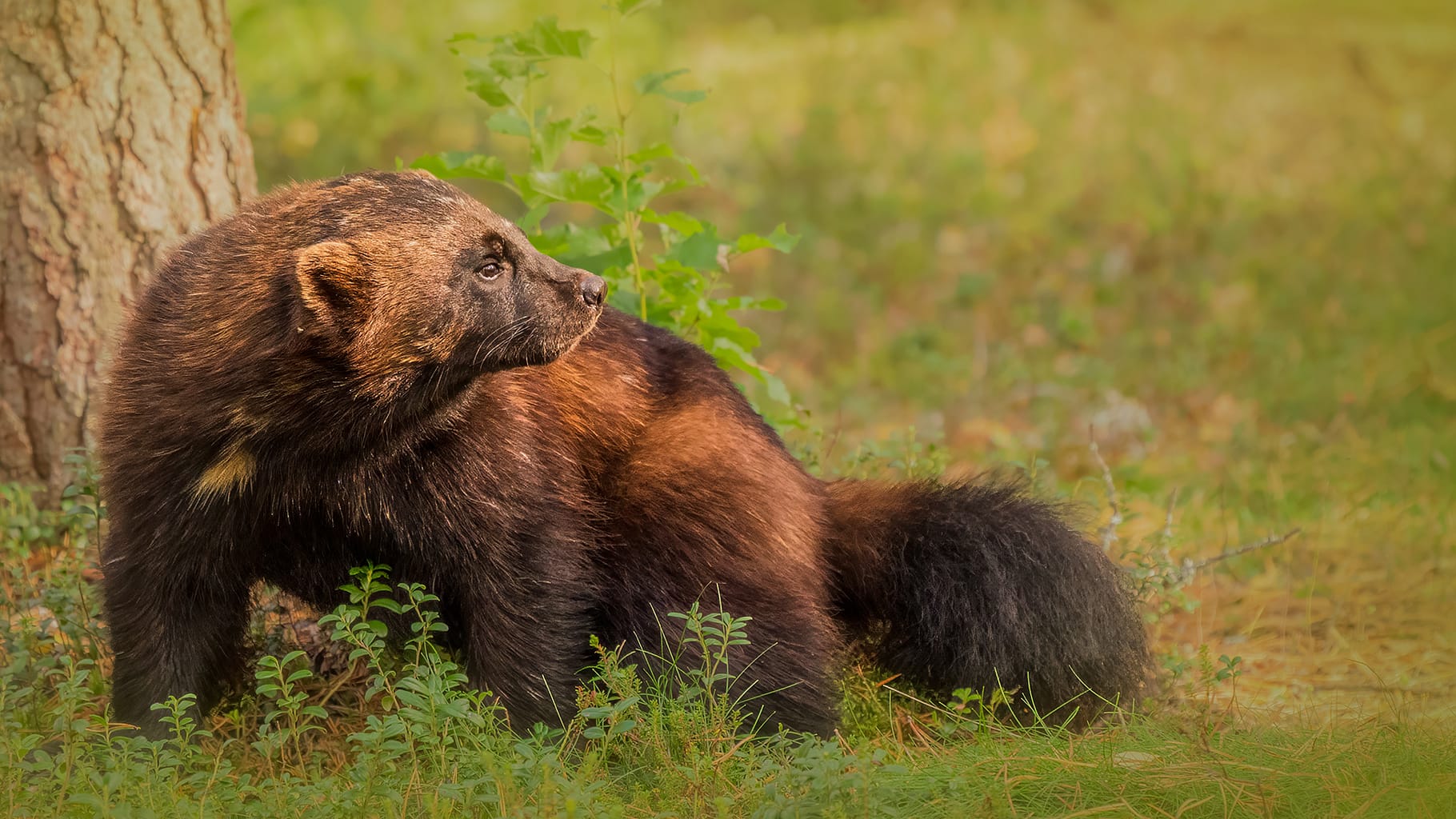
Wolverines: One of Finland’s Greatest Wildlife Photography Opportunities
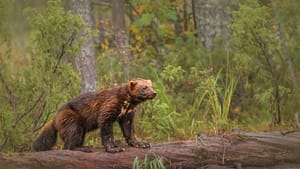
Finland is arguably one of the best places in the world to photograph Wolverines.
Nothing in wildlife photography is ever guaranteed, but Finland offers unusually good opportunities to encounter this elusive predator. A few operators specialize specifically in wolverine photography, while some bear photography locations also receive regular visits from wolverines throughout the season.
Although wolverines can be photographed throughout the year, summer brings one major advantage: light.
During the darkest months of winter, wolverines are often most active during hours when photography is difficult or impossible. In summer, however, the bright nights allow photographers to continue shooting long after sunset.
Spending two or three nights in a hide focused on wolverines often provides excellent chances for success.
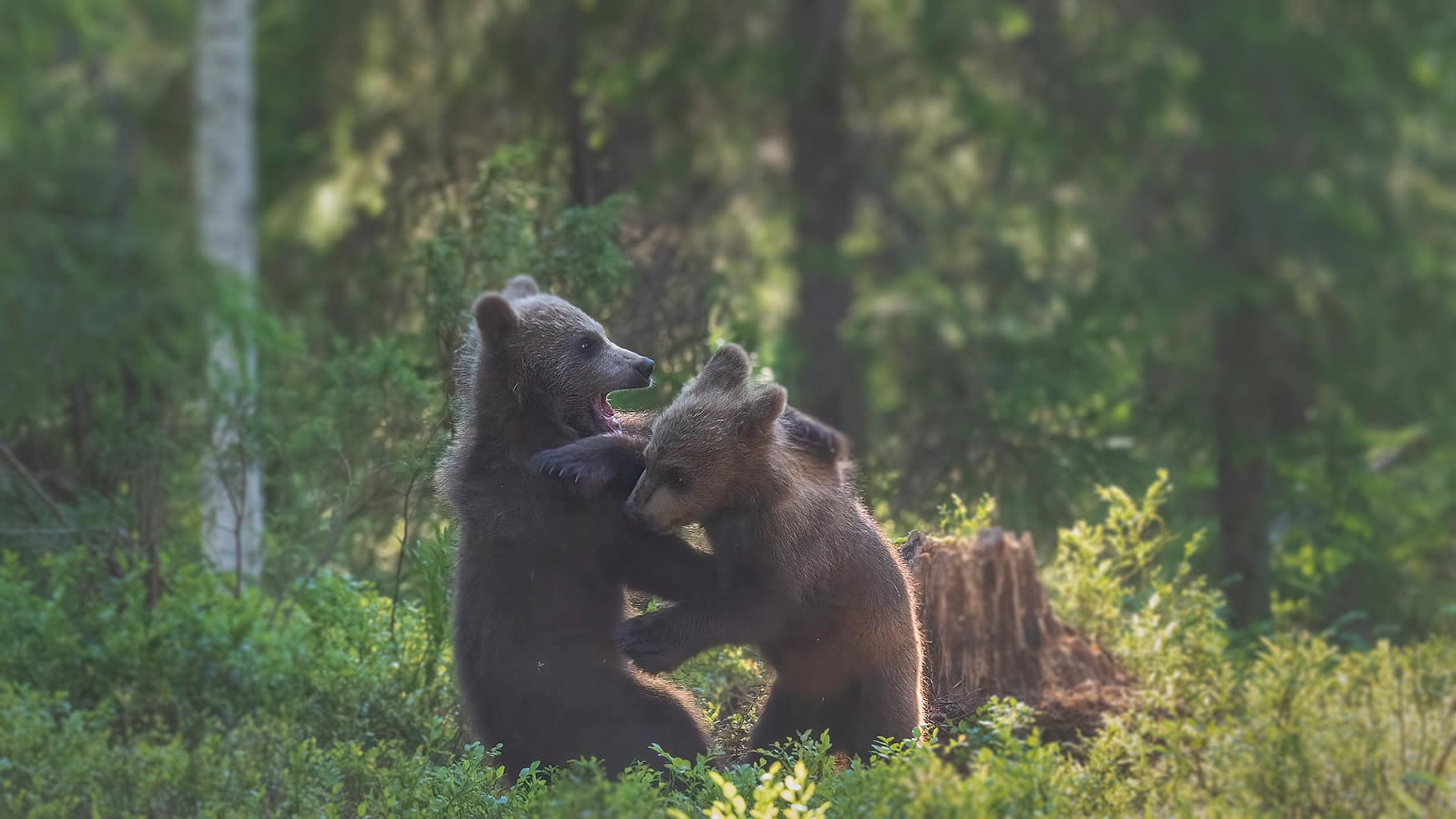
Bears: Finland’s Classic Wildlife Photography Subject
For many visitors, bears remain the ultimate wildlife photography experience in Finland.
Bears emerge from their winter dens in April, but early summer is often when the season becomes especially interesting. At some locations, small cubs begin appearing alongside their mothers, creating opportunities for photographs that are difficult to find elsewhere in Europe.
Few wildlife photography experiences are more enjoyable than watching young cubs exploring their surroundings, playing together, or moving through fields of cottongrass.
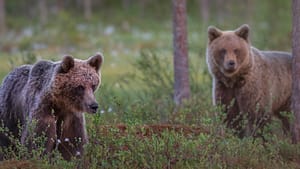
The cubs are not the only attraction. Finland’s bear photography locations can also offer opportunities to photograph large males, younger bears, and animals of different ages and personalities. Each category creates a different type of image.
Habitat also plays an important role. Some locations feature open bogs, others forest environments, while some include ponds or small wetlands. These differences can have a major impact on the style of photographs produced.
Today there are roughly fifteen bear photography operators across Finland. Some are primarily designed for wildlife watchers, while others have been developed specifically with photographers in mind.
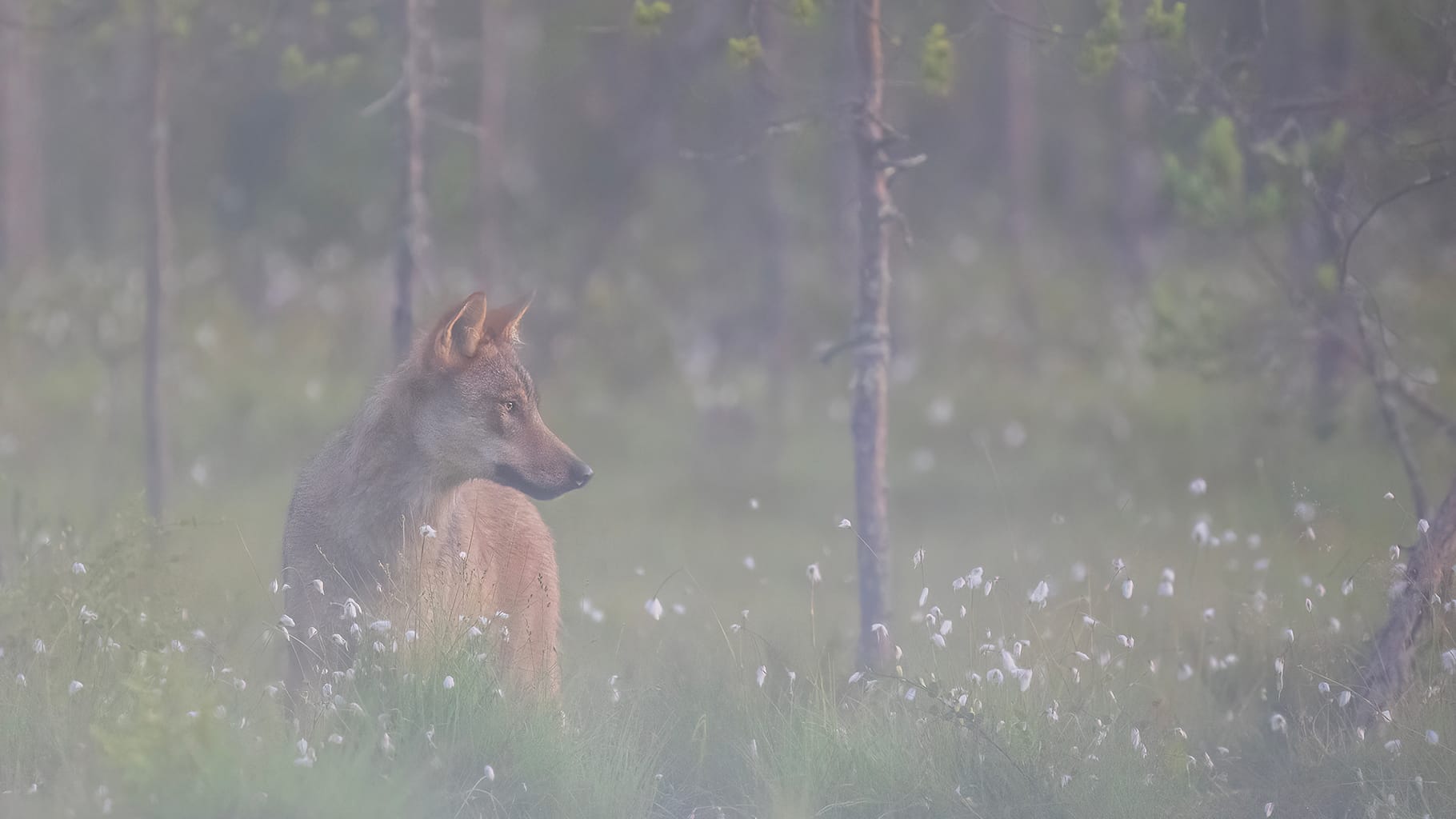
Wolves: The Most Elusive of the Big Predators
Wolves remain maybe the most unpredictable of Finland’s three large predators.
Their intelligence and cautious behaviour make every encounter memorable. Even at the best locations, sightings are never guaranteed.
That said, Finland offers some of the best opportunities in Europe to photograph wild wolves. Certain locations receive visits surprisingly often, while others may only see wolves occasionally throughout the season.
Later in the summer, particularly during August, young wolves may occasionally begin appearing alongside adults, adding another interesting dimension to wolf photography.
What Makes Summer So Special?
One of the things that makes summer wildlife photography in Finland so unique is the light.
In the north, darkness never fully arrives. Around midsummer, photographers can continue working throughout the night as the light slowly changes from evening to early morning without the interruption of a truly dark period.
Many photographers spend the entire night inside a hide, which allows them to experience the full transition of summer light. A single evening may begin with warm, golden light, continue through the soft colours of the northern night, and end with mist drifting across a wetland at sunrise.
Some of my favourite moments have come during unexpectedly cold summer nights. As temperatures drop, fog can begin forming over bogs, ponds and open wetlands, creating atmospheric conditions that can completely transform a scene.
The landscape also changes continuously throughout the season. Early summer brings cottongrass and fresh green vegetation , which gradually deepens as the weeks pass. By late summer and early autumn, the first yellow tones begin appearing in the landscape, creating a very different background for wildlife photography.
Of course, Finnish summer is not perfect. Mosquitoes are a constant companion in many wildlife photography locations. Even inside a hide they often find their way in, especially during warm nights, so insect repellent is usually a good idea. Fortunately, once wildlife activity begins, most photographers quickly forget about them.
For me, it is this combination of wildlife activity, long nights, changing light and evolving landscapes that makes summer such a rewarding season for wildlife photography in Finland.


Leave a Reply