Every wildlife photographer dreams about soft morning light or the warm colours of the evening. Those are the conditions we all hope for, but nature rarely follows our plans.
During photography trips and while photographing from hides, we often have no choice but to photograph in harsh light. We may enter the hide long before the evening light arrives so the animals can behave naturally without disturbance. Or we stay after sunrise because the birds are still there, even though the soft morning light has long disappeared.
We cannot decide when a bird lands on the perfect perch or when a bear finally walks into view. We simply have to be there when it happens.
Of course, everyone hopes the encounter happens in beautiful light. Sometimes it does. Often it doesn’t.
Interestingly, I usually become more motivated when the light turns difficult. Harsh light forces me to stop chasing the photographs I had imagined and start looking for something completely different. Instead of seeing difficult conditions as a problem, I see them as an opportunity to experiment.
Still, I hear the same comments surprisingly often.
“The light is too harsh. There’s no point photographing now.”
“We’ll just wait until the light improves.”
I understand the reaction. Harsh sunlight creates deep shadows, bright highlights and strong contrast. It is much less forgiving than the soft light of dawn or dusk.
But I also think it asks more from the photographer.
Beautiful evening light can make almost any scene look good. Harsh light is different. It challenges both your creativity and your technical understanding of the camera. Instead of trying to recreate the same image you would have taken in nice light, it becomes far more interesting to ask what kind of photograph is only possible in these conditions.
High-key photography
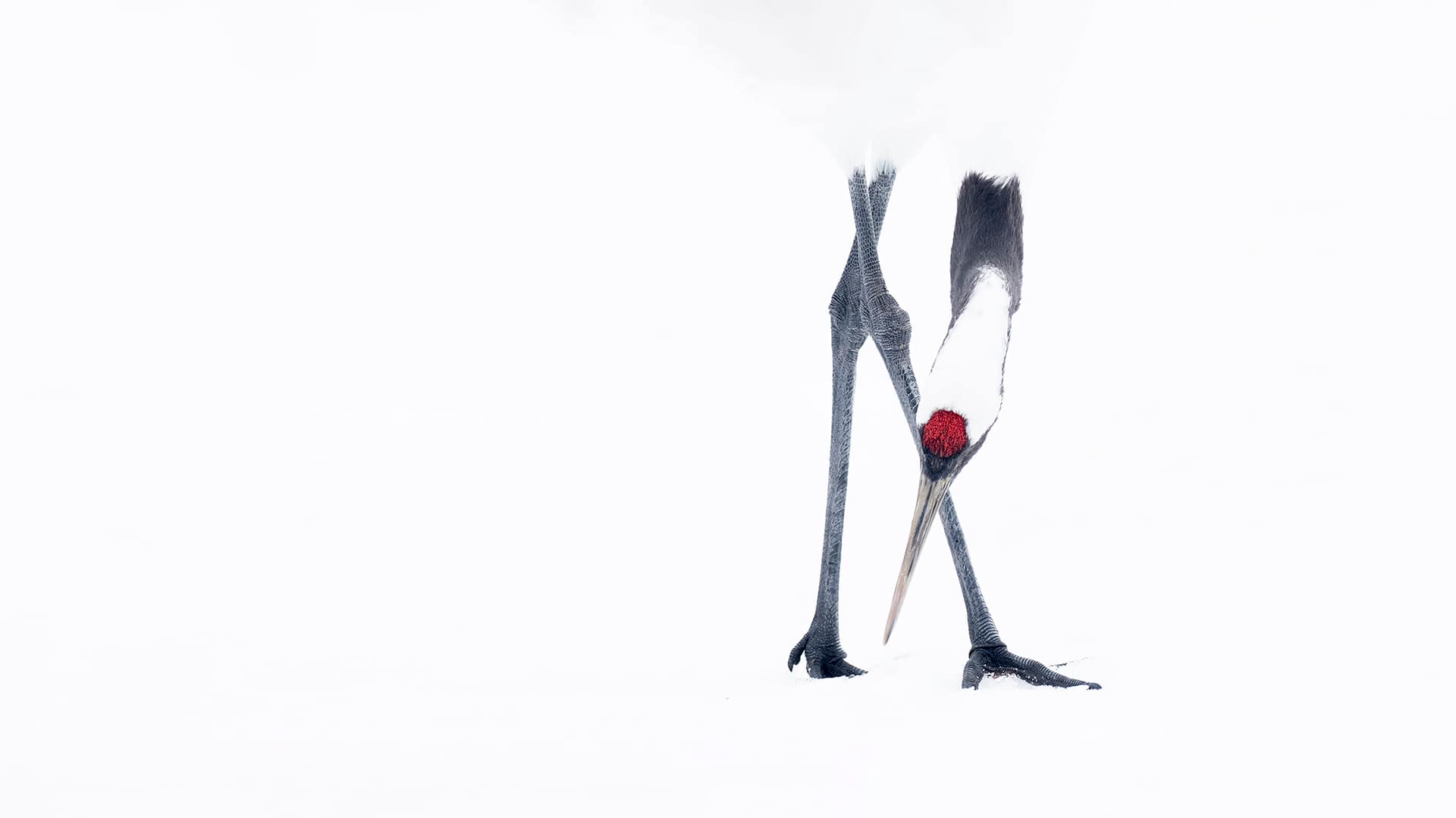
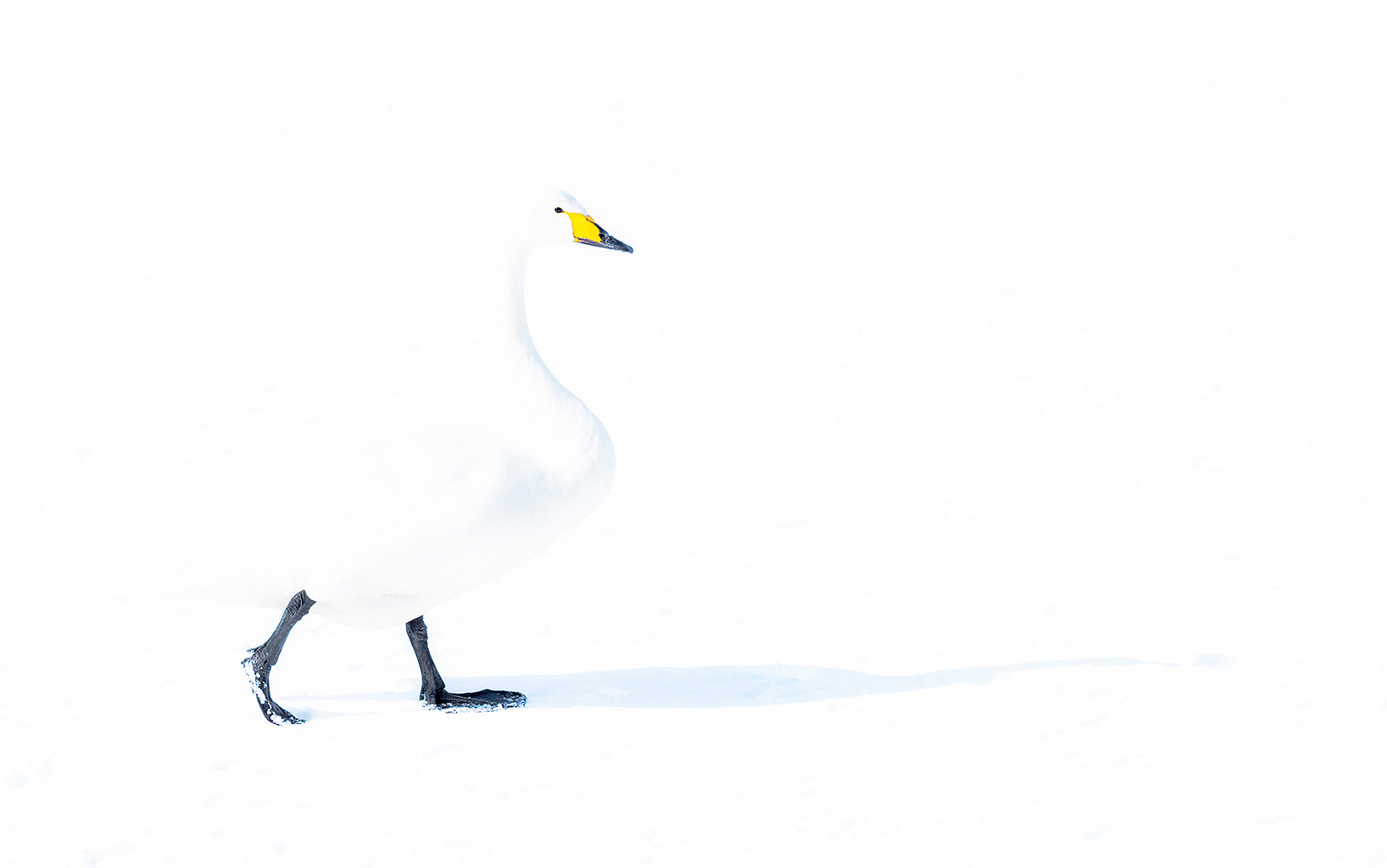
Bright sunlight on clean snow creates one of my favourite opportunities for high-key photography.
Instead of fighting the brightness, I deliberately overexpose the image until much of the snow becomes completely white. Sometimes parts of the subject disappear as well, especially when photographing white birds. Rather than seeing this as a mistake, I often find that it simplifies the photograph and gives much more attention to the shape and character of the bird.
The background disappears, leaving only the essential elements behind.
This approach works best with clean, undisturbed snow. It is worth taking a few minutes simply to experiment. Increase the exposure more than feels comfortable and see what happens when the background almost vanishes.
The key is not to stop halfway.
A slightly overexposed image where the snow still contains distracting detail often looks accidental rather than intentional. If I choose a high-key approach, I want the simplicity to look deliberate.
A little careful post-processing is usually needed afterwards. Dark feathers may need slightly more contrast than the camera originally captured, but that is simply part of developing the photograph.

Low-key images and silhouettes
The opposite approach can be just as effective.
Think about a bear arriving in front of the hide under bright midday sun or a bird standing against intense backlight. Many photographers immediately put the camera down because the light looks impossible.
I often do the opposite.
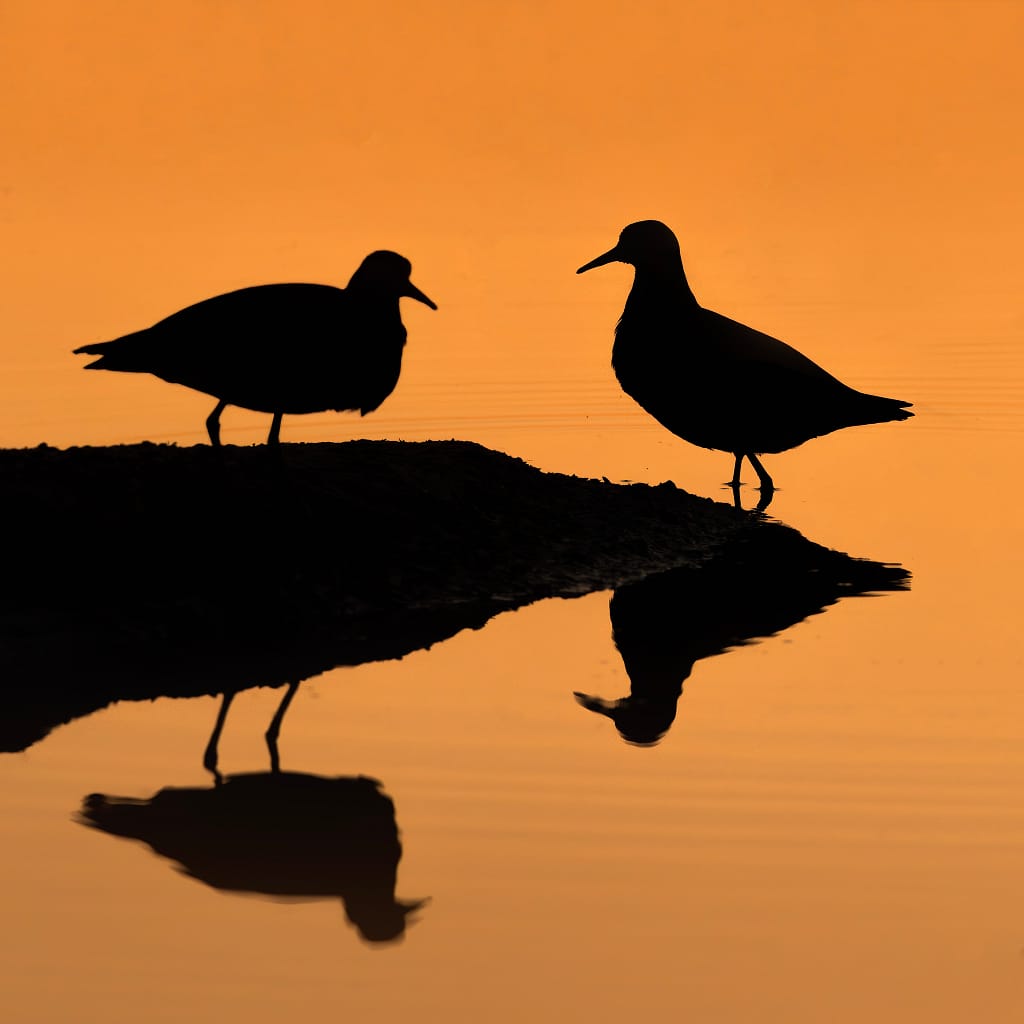
By underexposing the scene, much of the distracting background disappears into darkness. The photograph becomes simpler, and the attention shifts towards the shape, posture and character of the animal.
For me, it is important that the species remains recognisable. Even in a dark image, the features that define the animal should still be visible.
Strong backlighting also creates wonderful opportunities for rim light. A glowing outline around the bird or mammal can be enough to create a striking photograph.
If you are photographing over water or towards the sky, underexposure can also preserve beautiful colours in the water or evening sky while turning the subject into a simple silhouette.
Sometimes showing less creates far more atmosphere than showing every detail.
Multiple exposure
Modern cameras offer creative possibilities that many wildlife photographers rarely explore.
Multiple exposure is one of them.
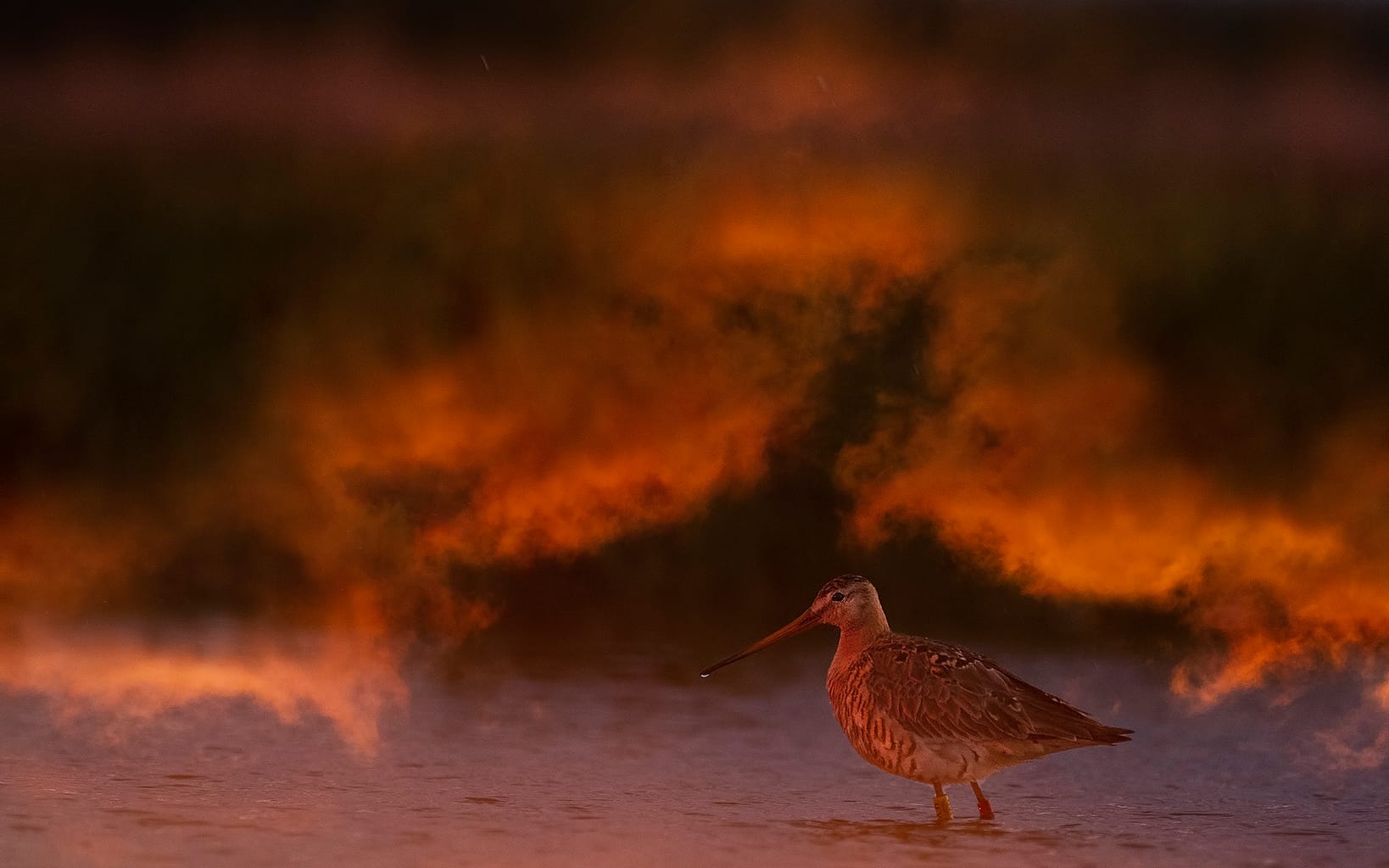
Many people think of it simply as combining two photographs, but most cameras allow several exposures to be blended together. While too many images can easily become chaotic, using just two or three often produces beautiful results.
Harsh light can actually work very well for this technique. Bright backgrounds and strong contrast make it easier to create soft, dreamlike photographs or more dramatic combinations, depending on your vision.
When I know I want to create a multiple exposure image, I photograph the animal first.
Getting the bird or mammal in exactly the right position is usually the most difficult part. Once I have that image, I start looking for shapes, branches, grasses or textures that can become the second layer.
Working this way gives me much more control over the final composition instead of simply hoping two random images will fit together.
Don’t forget the ND filter
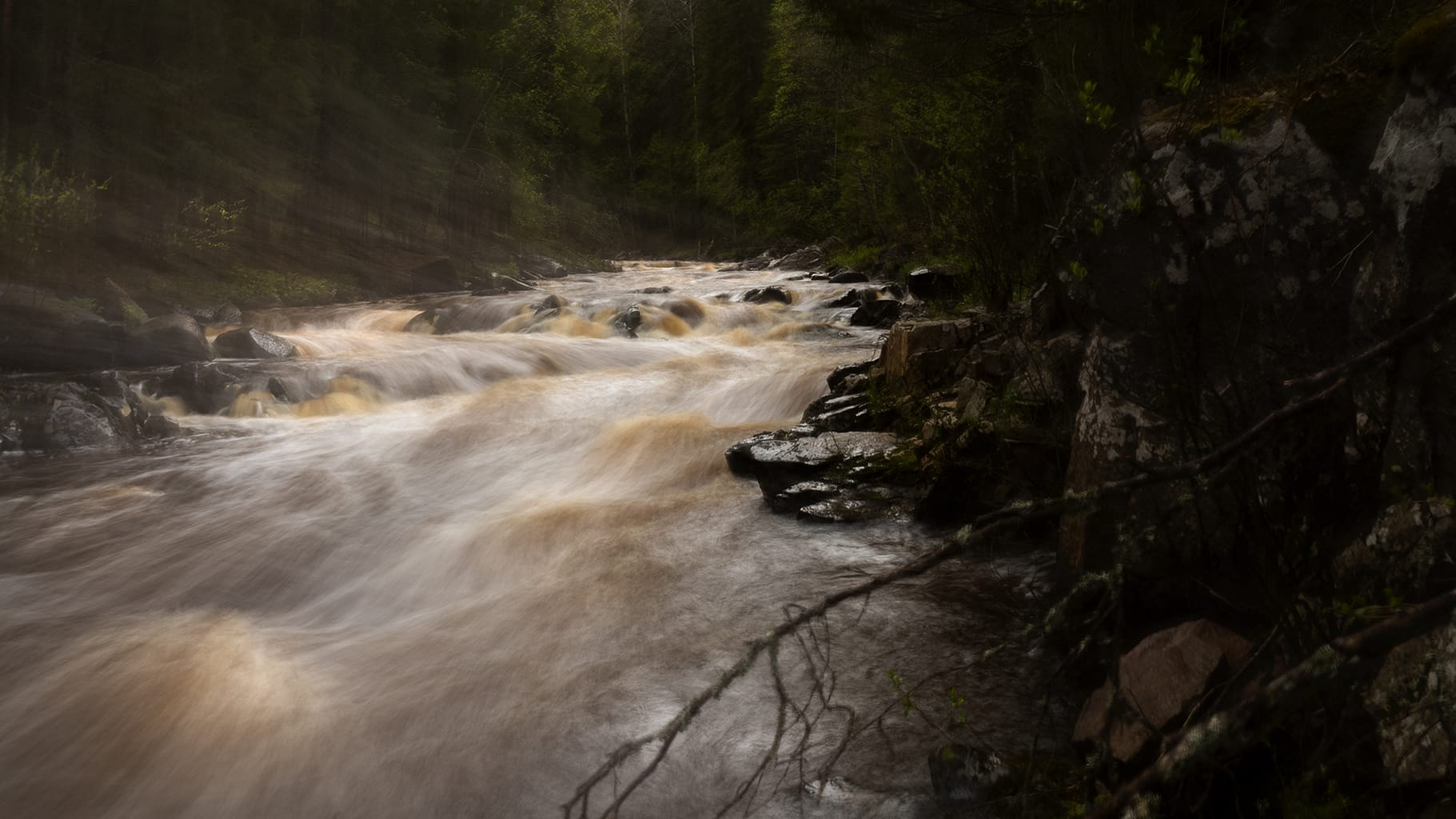
Bright sunlight also opens opportunities for long exposures.
At least many OM SYSTEM cameras include a built-in ND filter, and I have found it surprisingly useful. I have never been particularly interested in carrying technical filters into the field, so having one available inside the camera makes experimentation much easier.
Most photographers think of ND filters as tools for landscape photography. I do too. But they can be just as useful when photographing wildlife. Bright sunlight often makes long shutter speeds impossible, and that’s exactly where an ND filter becomes valuable.
Instead of seeing bright sunshine as a limitation, an ND filter turns it into an opportunity. It allows shutter speeds that simply wouldn’t be possible otherwise, opening creative possibilities that many wildlife photographers rarely explore.
Difficult light creates different photographs
Perfect light is enjoyable because it makes our work easier.
Harsh light does exactly the opposite.
It forces us to think differently. It encourages us to simplify, experiment and sometimes forget the photographs we originally wanted to make.
Some of my favourite images have come from conditions that many photographers would describe as impossible.
So the next time the light becomes too bright, don’t immediately put the camera away. Take a moment and look again.
Instead of asking whether the light is good enough, ask yourself a different question:
What kind of photograph is possible because the light is like this?


Leave a Reply